ADHD Awareness Month — Reflecting on Identity, Strength, and Neurodiversity
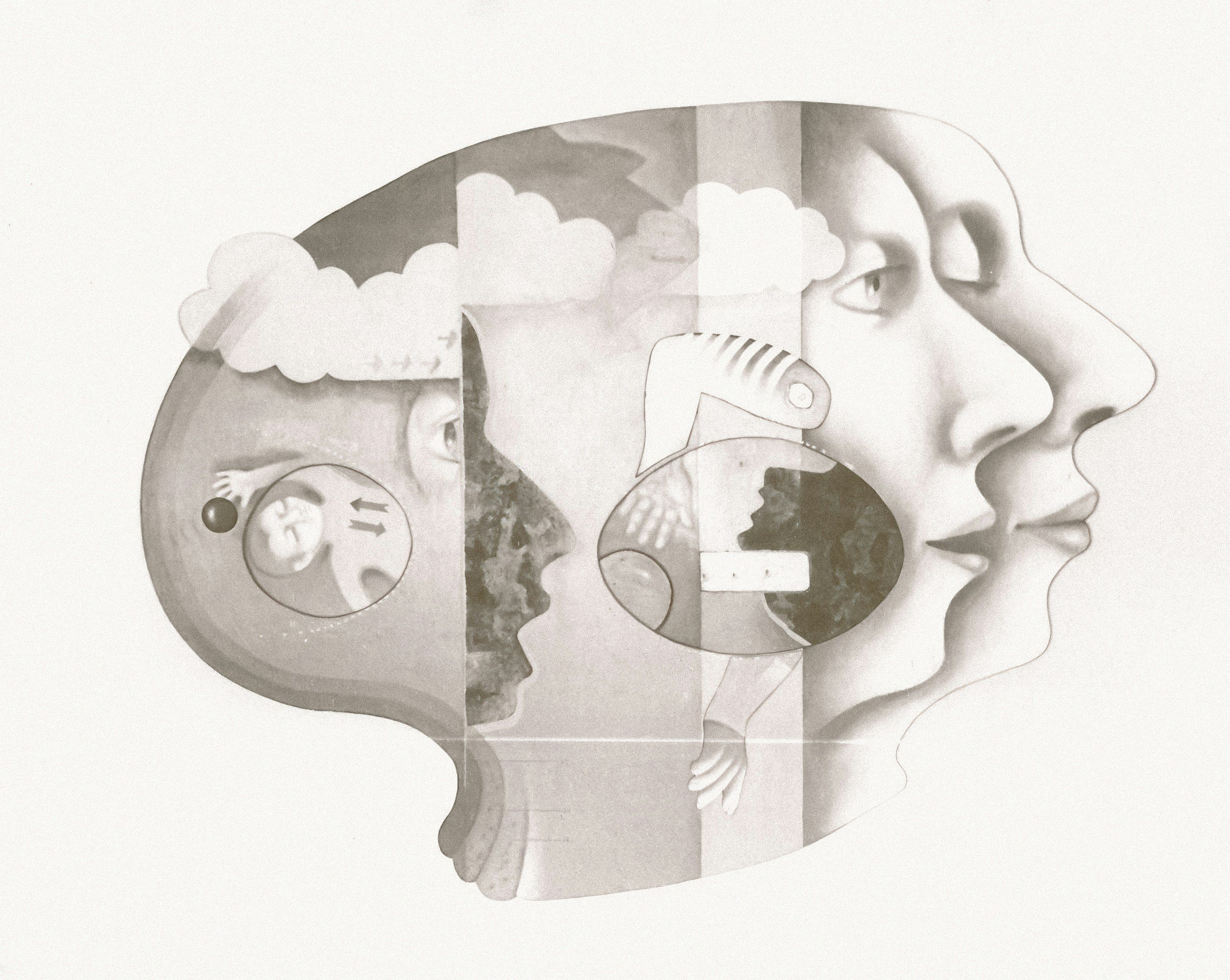
Last month was ADHD Awareness Month — a chance to reflect on lived experience, challenge misconceptions, and celebrate the many ways ADHD shapes people’s lives. Although the campaign has ended, this year’s theme, The Many Faces of ADHD, continues to feel incredibly relevant. It mirrors the broader themes explored in this newsletter — listening to voices that have been overlooked, honouring diversity, and recognising the richness of neurodivergent experience.
Understanding ADHD— More Than a Set of Symptoms
ADHD is a lifelong neurodevelopmental difference that influences many aspects of a person’s life — including how they think, learn, organise, communicate, feel emotions, and move through the world. It affects attention regulation, working memory, motivation pathways, sensory processing, and energy patterns. Yet despite this complexity, ADHD is often reduced to narrow stereotypes such as restlessness or distractibility.
The lived experience is far richer. For many people, ADHD is linked with creativity, intuitive problem-solving, curiosity, humour, and the ability to hyperfocus deeply on meaningful interests. Some thrive in fast-paced environments where adaptability, quick thinking, and originality are assets.
At the same time, ADHD can also bring challenges — especially in settings that rely heavily on sustained attention, rigid routines, or executive functioning demands. Emotional overwhelm, organisation difficulties, sensory sensitivities, or the long-term impact of late or missed diagnosis can affect daily life and wellbeing.
Most people experience a blend of both — strengths and struggles sitting side by side — each shaping the person’s identity in meaningful and deeply personal ways.
The Many Faces of ADHD — A Diversity of Experiences
This year’s ADHD Awareness Month theme highlights a crucial truth: there is no single way to experience or express ADHD. It can be seen in individuals who are lively, expressive, and outwardly energetic — and in those who are quiet, reflective, or internal in their processing.
ADHD shows up across all ages and walks of life, in students, artists, parents, carers, innovators, leaders, and people who may be discovering their neurodivergent identity later in life.
Most importantly, The Many Faces of ADHD draws attention to people whose experiences have historically been overlooked: women and girls, people of colour, and adults seeking late diagnosis after years of masking or being misunderstood. These voices broaden our understanding and challenge outdated assumptions that have excluded so many.
What ADHD Awareness Month Means for PSG —Listening, Learning, and Evolving
At Positive Support Group, ADHD Awareness Month gave us time to reflect on the stories shared with us every day. We are continually learning from the people and families we support — their lived experience shapes how we practise, adapt, and grow.
Our approach is rooted in person-centred, neurodiversity-affirming support. We value collaboration, flexibility, and compassion, and we recognise that each person’s relationship with ADHD is unique. The Many Faces of ADHD campaign aligns with our belief that good support begins with listening and understanding, not assumptions or stereotypes.
Carrying the Message Forward — Celebrating ADHD All Year Round
Even though October has passed, the importance of these conversations hasn’t. Celebrating neurodiversity — including ADHD in all its forms — is not limited to one month of the year. It’s an ongoing commitment to challenging stigma, amplifying lived experience, and creating environments where people can be understood, valued, and supported.
Here’s to continuing the conversation — and celebrating the many faces of ADHD.