

Sign up to our newsletter
Making Assessment More Accessible: A New Partnership with The Owl Centre
We are pleased to share a new collaboration between Positive Support Group (PSG), as a provider of Positive Behaviour Support (PBS) and person-centred approaches for individuals with a support need, and The Owl Centre, a specialist provider of neurodevelopmental assessments.
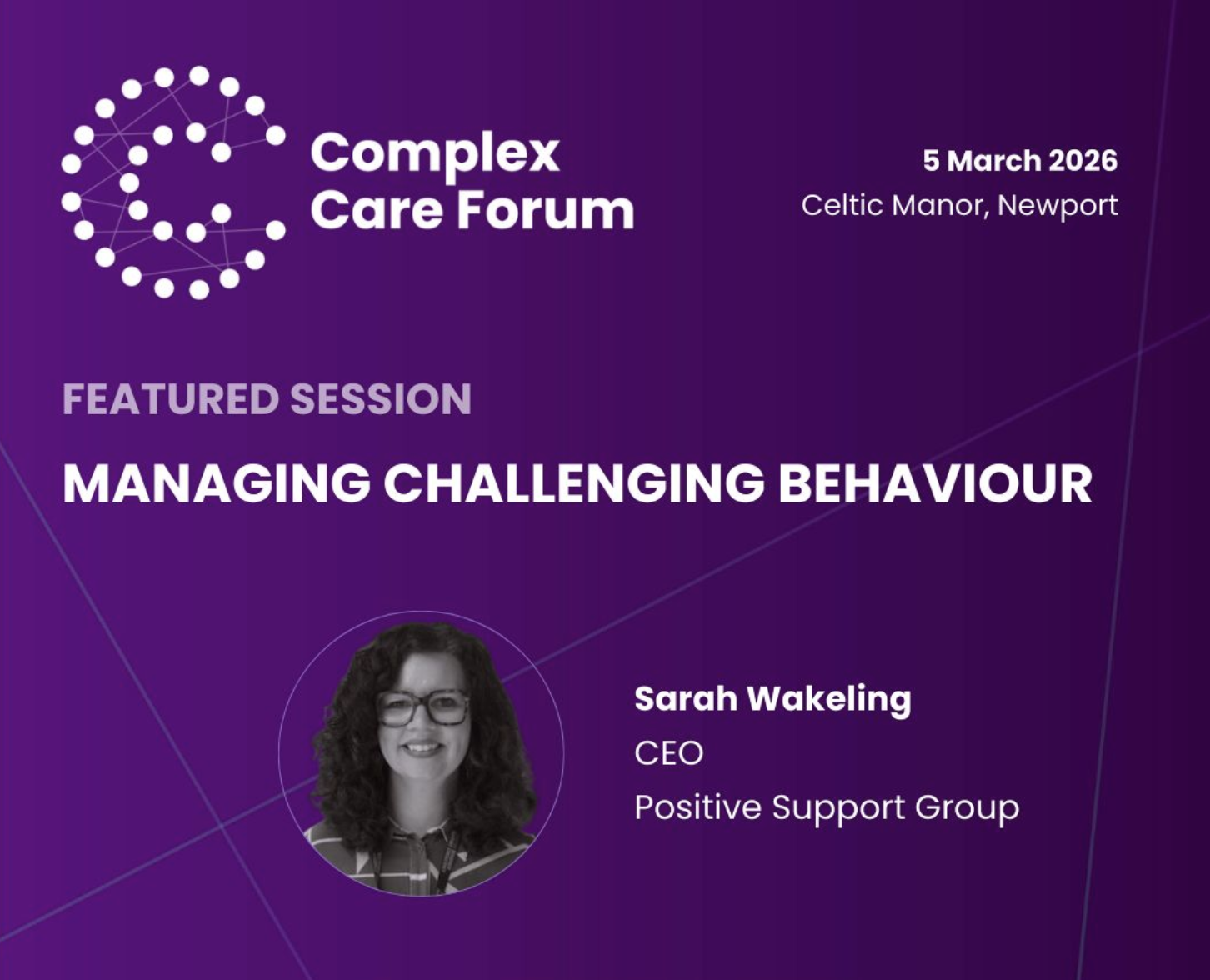
Rising Complexity, Rising Responsibility: PBS for Safer, Sustainable, and Person-Centred Care
Across the UK, care providers are increasingly supporting individuals with more complex needs than ever before, including dual diagnoses such as autism and mental health needs, trauma backgrounds, communication differences, and medical complexities such as epilepsy or sleep disorders.

Alternative Provision in Education: a New Pathway for Pupils at Risk of Exclusion
For many children and young people, education can gradually become difficult to access. In England, there were over 955,000 suspensions and 10,900 permanent exclusions recorded in the 2023 to 2024 academic year. These figures have continued to rise in recent years, reflecting a growing number of pupils who are finding it harder to remain connected to mainstream education.
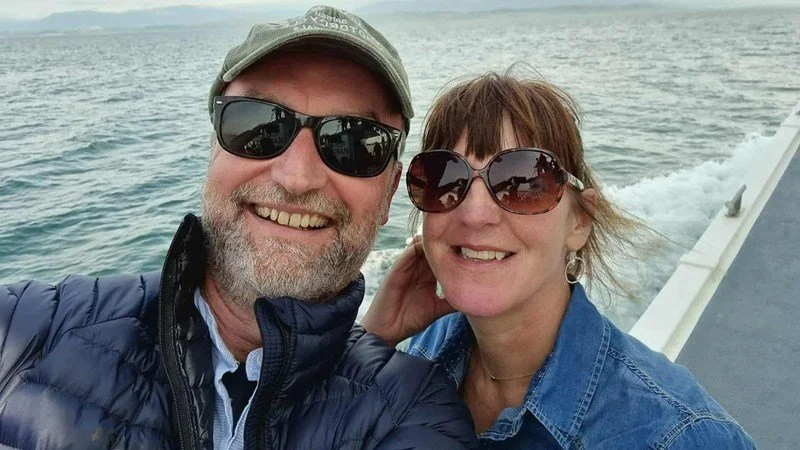
Supporting David’s London Marathon Fundraiser for Pancreatic Cancer UK
Positive Support Group is proud to be supporting David Rose as he prepares to take on the London Marathon on 26 April in aid of Pancreatic Cancer UK.

Positive Support CPD – External Learning Portal Now Live
We are pleased to share that the Positive Support CPD external learning portal is now live and available to professionals looking to develop their practice in Positive Behaviour Support and related fields.
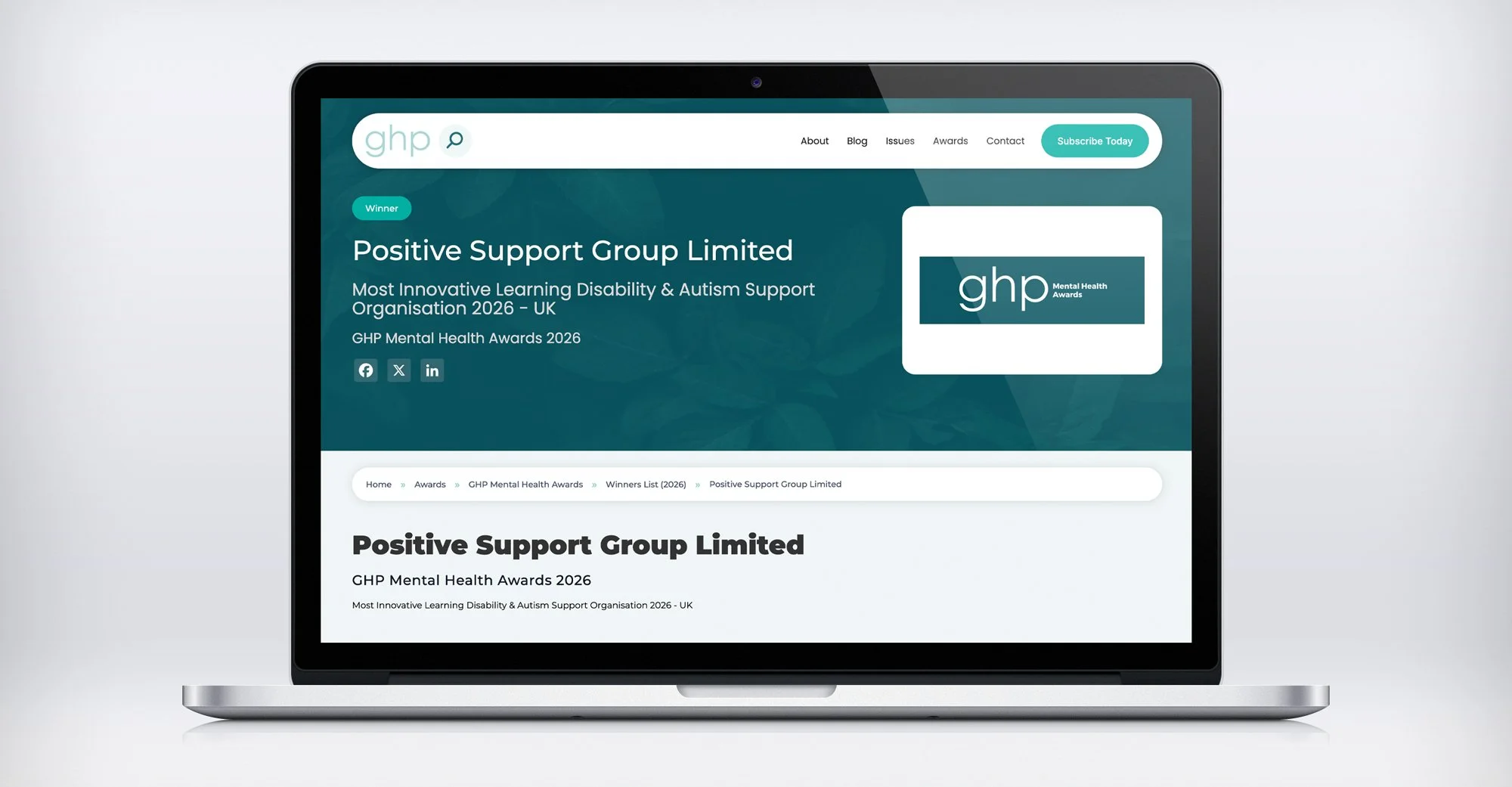
PSG recognised in the GHP Mental Health Awards 2026
We are delighted to share that Positive Support Group has been recognised as a winner in the Global Health & Pharma (GHP) Mental Health Awards 2026, receiving the title Most Innovative Learning Disability & Autism Support Organisation 2026 – UK.
Redstone joins PSG, and we welcome Founder Kate Strutt as our new Division Lead for Training
We’re delighted to announce that Redstone has officially joined Positive Support Group, expanding the depth and reach of our national training offer. Alongside this, we warmly welcome Kate Strutt – founder of Redstone and highly experienced clinical psychologist – as PSG’s new Division Lead for Training.
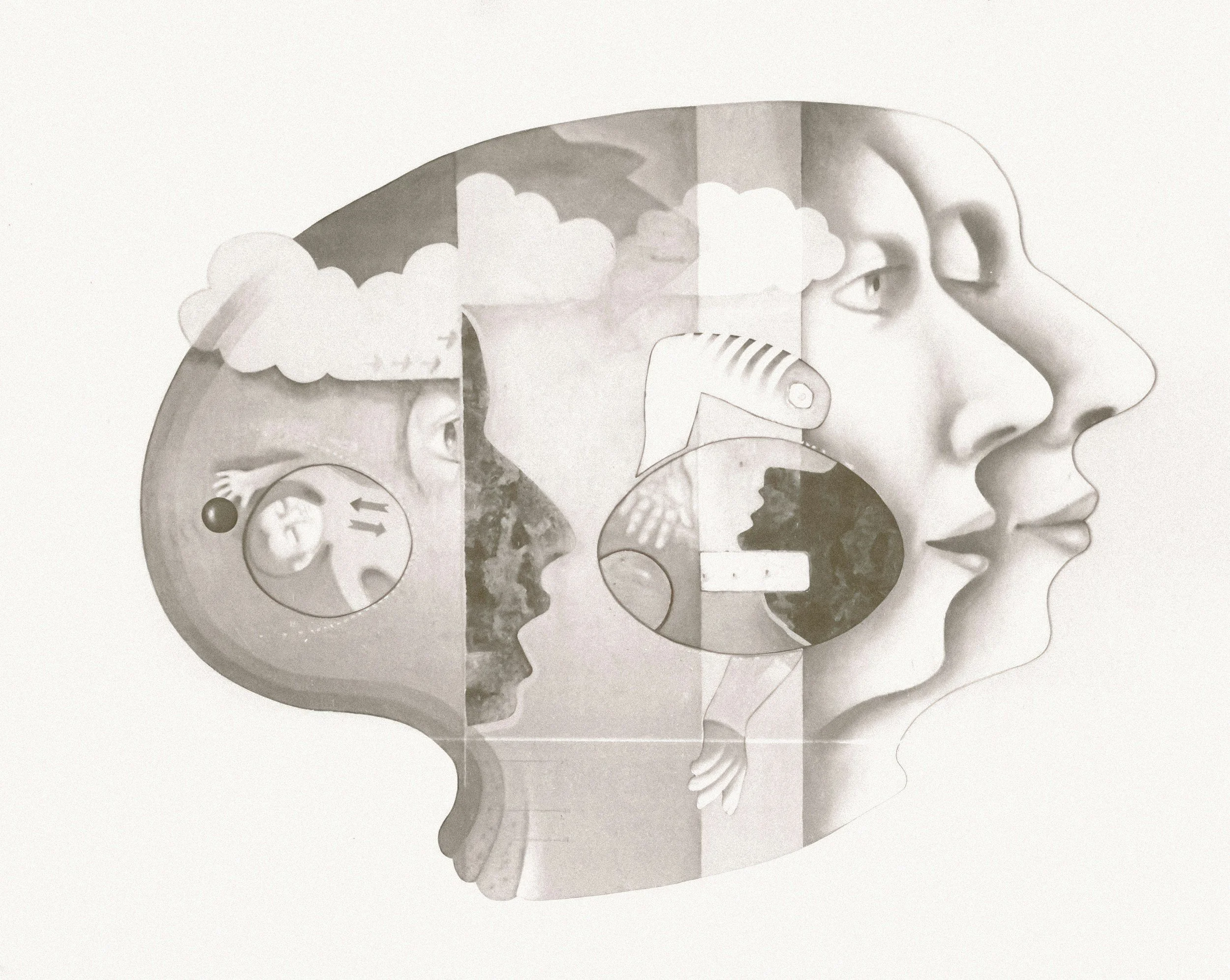
ADHD Awareness Month — Reflecting on Identity, Strength, and Neurodiversity
Last month was ADHD Awareness Month — a chance to reflect on lived experience, challenge misconceptions, and celebrate the many ways ADHD shapes people’s lives. Although the campaign has ended, this year’s theme, The Many Faces of ADHD, continues to feel incredibly relevant. It mirrors the broader themes explored in this newsletter — listening to voices that have been overlooked, honouring diversity, and recognising the richness of neurodivergent experience.

Masking and Neurodiversity — Understanding the Hidden Cost of “Fitting In”
At PSG, we work with many neurodivergent children, young people, and adults who have developed different ways of navigating environments that can feel overwhelming, confusing, or socially demanding. One experience that comes up again and again in our work is masking — the effort autistic people make to fit in, stay safe, or avoid negative consequences in settings that don’t accommodate their needs. Masking can be a powerful survival strategy, but it also carries significant emotional and psychological costs.

PSG Featured in The Independent on the Growing Crisis in Mental Health Support
PSG were recently featured in The Independent in a piece highlighting the urgent need for earlier, stronger community mental health support.


Recognising Excellence — CPD Accreditation for PSG Training
We’re proud to share that three of Positive Support Group’s specialist training programmes have now been awarded Continued Professional Development (CPD) accreditation – a recognition of the high-quality, evidence-based learning they deliver to professionals across the sector.
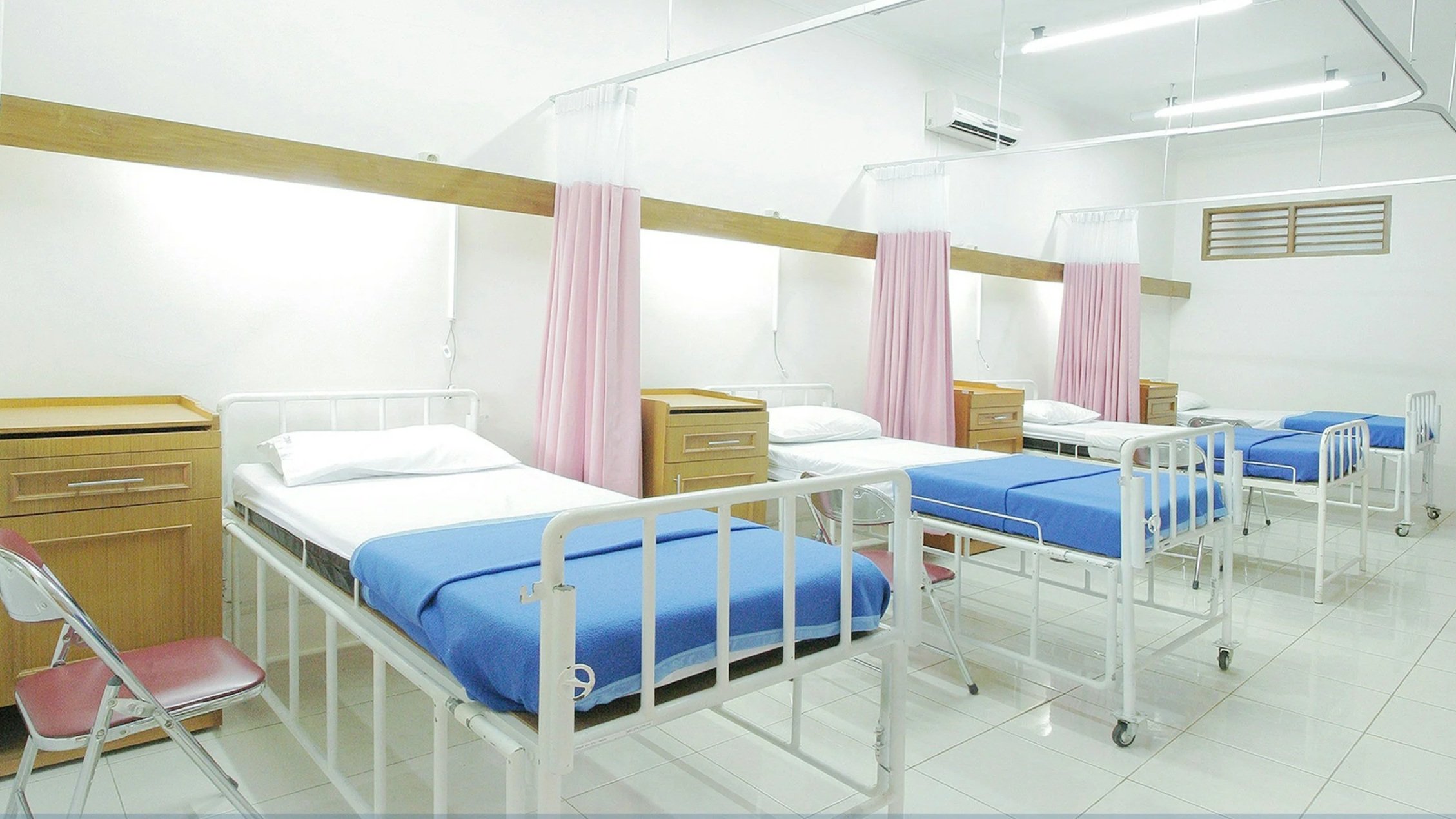
Not a Place Like Home: Shining a Light on the Rise in Emergency Admissions for Autistic Children
Since 2019, emergency hospital admissions for autistic children have risen by a staggering 86%. Behind every statistic is a family in crisis – and too often, that crisis could have been prevented with the right community support in place.

From the main stage to the conference hall: what we heard about mental health at the NHS Confed Expo.
Last week, members of the PSG team joined colleagues from across the health and care system at NHS Confed Expo 2025. As ever, it was a valuable opportunity to listen, learn and connect – and to reflect on how we can continue working together to improve support for people with the most complex behavioural and mental health needs.

Not a place like home: why we must rethink mental health placements.
At Positive Support Group (PSG), we work every day with people who have some of the most complex behavioural and wellbeing-related needs in the country. And every day, we see the consequences of a system that still too often places people in the wrong setting, far from home, and for far too long.
We’ve recently conducted some analysis of NHS reported data, which explores the scale of these issues and what needs to change.

PSG at the Positive Practices International Conference in Los Angeles
This past weekend, Positive Support Group was proud to present at the Positive Practices International Conference in Los Angeles, arranged by the IABA Research and Education Foundation.

PSG in the Media
In recent weeks, Positive Support Group (PSG) has been featured in both The Times and HuffPost UK – highlighting a significant rise in emergency hospital admissions among autistic children.

Back in School, Back on Track: Supporting a Return to Education
Helping young people move from school refusal to re-engagement – one personalised plan at a time.

From Hospital to Home: A New Kind of Learning
This month, we hear from two members of our Hospital Discharge Service team on how education and learning are redefined during transitions from hospital to community.