Masking and Neurodiversity — Understanding the Hidden Cost of “Fitting In”
At PSG, we work with many neurodivergent children, young people, and adults who have developed different ways of navigating environments that can feel overwhelming, confusing, or socially demanding. One experience that comes up again and again in our work is masking — the effort autistic people make to fit in, stay safe, or avoid negative consequences in settings that don’t accommodate their needs. Masking can be a powerful survival strategy, but it also carries significant emotional and psychological costs.
What Is Masking?
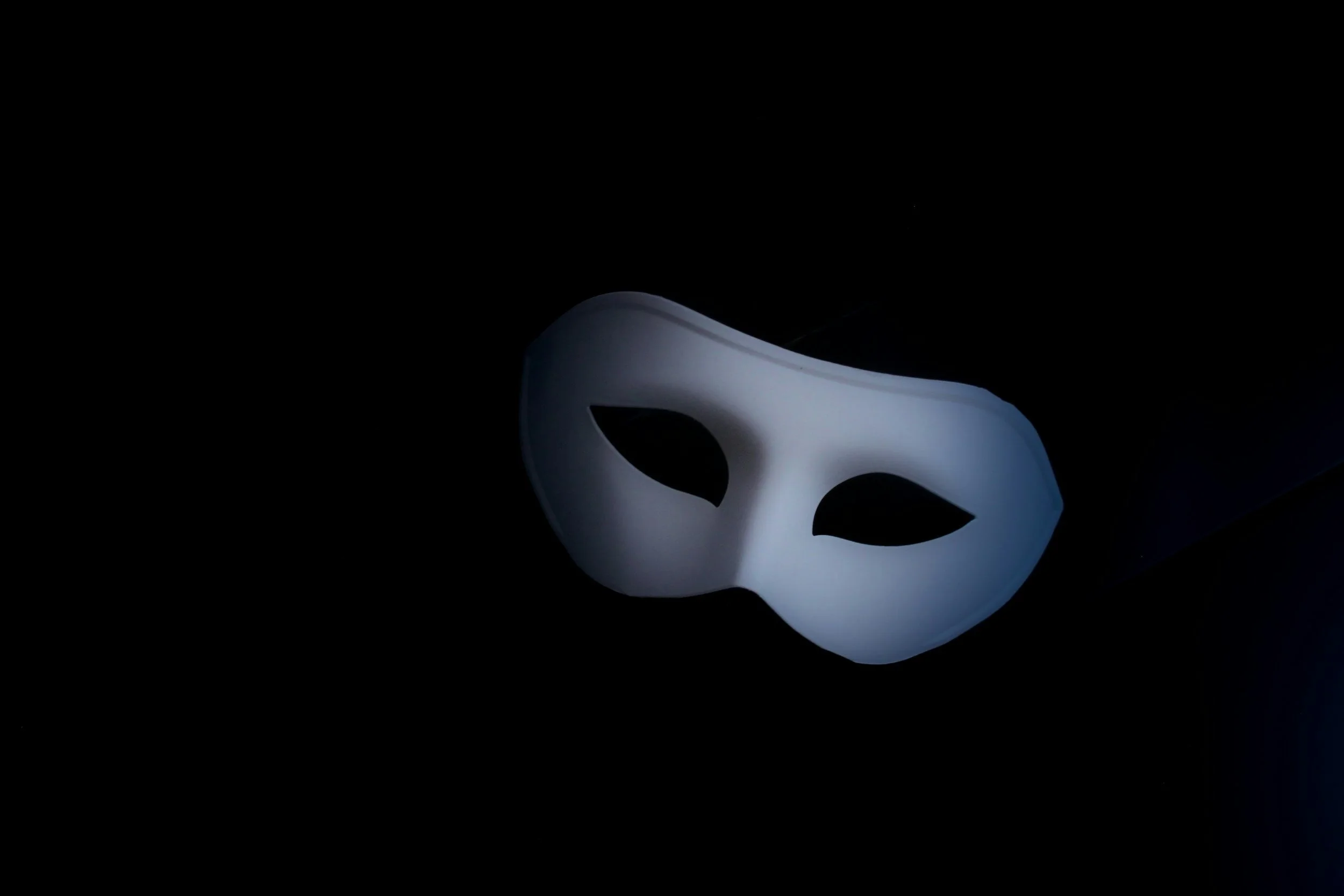
Masking happens when autistic individuals hide or minimise parts of their natural expression in order to meet social expectations. This might include holding in stims, forcing eye contact, mirroring facial expressions, copying conversational patterns, or scripting responses in advance.
While everyone adapts their behaviour in social situations, autistic masking is different — it is sustained, effortful, and often driven by a need for safety. As Ellie Middleton writes in Unmasked, masking can feel like “rewriting every part of yourself to match what others expect.”
Why Autistic People Mask
Masking often develops early in life as a response to social pressure, misunderstanding, and a lack of acceptance. Many autistic people describe masking as a way to:
• Avoid bullying or exclusion
• Prevent punishment or misunderstanding
• Feel safer in school, work, or public spaces
• Reduce unwanted attention
• Meet expectations they didn’t choose
Research and lived experience show that autistic girls, women, and non-binary people may mask more frequently due to gendered social norms — contributing to higher rates of missed or late diagnosis.
Masking can help people get through the day — but it often comes at the cost of authenticity and wellbeing.
When Masking Takes Its Toll — Autistic Burnout
Masking is mentally and emotionally exhausting. When someone masks for years without adequate support or opportunities to rest, it can lead to autistic burnout — a state of profound exhaustion, reduced capacity, and increased sensory and emotional vulnerability.
Autistic people describe burnout as “hitting a wall” — when even ordinary tasks feel overwhelming. Recovery can take months or years, and often requires a significant reduction in demands, sensory relief, and emotional safety.
How We Support Autistic People Who Mask
At PSG, our aim is not to eliminate masking — it can serve a protective function. Instead, we work to reduce the need for masking by creating environments where authenticity is safe and supported. This includes:
• Creating psychologically safe spaces where unmasking is welcomed
• Adjusting environments to reduce sensory and social overload
• Offering flexible communication that respects individual preferences
• Helping people pace themselves, use rest, and protect their energy
• Training staff teams to recognise masking and avoid misinterpreting it
• Supporting connection with autistic peers and genuinely regulating interests
• Lowering expectations during burnout and prioritising recovery
When we reduce the pressure to perform, people gain the emotional space to be themselves.
Moving Towards Neurodiversity-affirming Support
Masking is often a response to environments that misunderstand or overlook neurodivergent needs. By increasing awareness, adjusting expectations, and creating space for authenticity, we can help autistic people not only cope — but thrive.